Spanish Fork Mold Pros
Spanish Fork Canyon Mold Inspection

Mold Inspection in Spanish Fork Canyon done right the first time

Mold Inspection in Spanish Fork Canyon starts with finding where water is actually getting in, not guessing at the stain on the ceiling. We work Canyon View, Canyon Creek, and Canyon Estates homes every week, plus cabins and rural properties up U.S. Route 6. Our technicians use thermal imaging cameras, moisture meters, and borescope cameras to trace mountain runoff, snowmelt, and roof leaks back to the source before we recommend a single repair.

2022
Serving Spanish Fork Canyon since
600+
Canyon inspections completed
snow-load roof leak season
Right now in Spanish Fork Canyon

Spanish Fork Canyon overview

Local Mold Inspection in Spanish Fork Canyon, Utah County

Why we work here

Canyon properties deal with humidity that valley neighborhoods never see. Snow sits on roofs longer at this elevation, then melts into eaves and attic insulation. Spring runoff raises crawl space moisture for weeks. Cabins that sit empty through winter come back with black mold growth on drywall and framing by the time owners return in spring. We serve Spanish Fork Canyon because the demand here is real and specific, and because a general contractor from Provo or Salt Lake rarely understands how fast a canyon crawl space turns damp. Our team lives and works in this corridor, so we know which streets flood first and which roofs hold snow longest.

Canyon homes, cabins, and crawl spaces tested by a local team

Spanish Fork Mold Pros has run Mold Inspection in Spanish Fork Canyon since 2022, and this canyon is not like the valley floor. Homes in Canyon View, Canyon Creek, and Canyon Estates sit against slopes that push mountain runoff and snowmelt toward foundations all spring. Cabins and rural properties along U.S. Route 6 often sit empty for weeks, so a slow roof leak from snow load can soak insulation long before anyone notices a musty odor. We built our Spanish Fork Canyon mold inspection service around those realities: moisture mapping sensors in crawl spaces, thermal imaging camera scans of ceilings and exterior walls, and air sampling pump readings that tell you whether spores are already circulating through the HVAC system. If you need mold testing Spanish Fork Canyon UT homeowners actually trust, we bring the tools and the lab work to your door.

Services available

Mold Inspection services we run in Spanish Fork Canyon

Canyon work is different from valley work, and our service list reflects that. We handle everything from a quick mold inspection near Spanish Fork Canyon for a home sale to full post-flood assessments after a spring runoff event. If you have been searching for mold inspection in Spanish Fork Canyon UT near me and want a team that knows the terrain, this is the list we bring to your property.

How we work locally

How Mold Inspection in Spanish Fork Canyon actually gets done

Challenge: Snow-load roof leaks that show up months later

Roofs in Spanish Fork Canyon hold snow longer than valley roofs, and the freeze-thaw cycle opens seams and flashing. By the time a ceiling stain appears, insulation and sheathing have often been wet for weeks. This pushes the inspection into the attic and sometimes into wall cavities.

Solution: We inspect attic sheathing, rafters, and insulation on every canyon job, and we use thermal imaging to spot cold spots that indicate active leaks. If we find wet insulation, we recommend replacing it rather than drying it, because wet insulation grows mold and loses R-value.

Challenge: Crawl spaces that stay damp from mountain runoff

Crawl spaces in Canyon View and Canyon Creek sit close to the water table in spring, and mountain runoff keeps soil moisture high for weeks. Vapor barriers fail, joists stay wet, and mold growth starts on the underside of flooring. This is the most common mold problem we see in the canyon.

Solution: We use moisture mapping sensors and a hygrometer to measure crawl space humidity, then inspect joists and insulation with a borescope camera. Where needed, we recommend encapsulation liner and a dehumidifier desiccant system, and we re-test after installation to confirm the fix worked.

Where we work

Canyon ViewCanyon CreekCanyon EstatesU.S. Route 6 corridor cabinsCanyon Creek Park areaUpper canyon rural properties

Service area

Spanish Fork Canyon

Latitude: 40.09

Extract Directions

Case files

Recent project: 1

Canyon View

Challenge

A Canyon View homeowner noticed a musty odor in the upstairs bedroom every spring but could not find any visible mold or water stains.

Execution

We ran a thermal imaging scan of the ceiling and exterior walls, which showed a cold spot above the bedroom window. A borescope camera confirmed wet insulation and mold growth on the sheathing behind the drywall. The source was a roof flashing leak from snow load. We documented everything, recommended a roofer fix the flashing, and provided a remediation protocol for the affected area.

Impact

The homeowner fixed the flashing for under $400 and had the affected insulation and drywall replaced. Follow-up air sampling showed spore levels back to normal within two weeks.

Recent project: 2

U.S. Route 6 corridor

Challenge

A cabin owner on U.S. Route 6 returned in April to find black mold growth on the living room ceiling and a strong musty smell throughout the property.

Execution

We inspected the attic and found a roof leak that had been active for months, soaking insulation and sheathing. Air sampling showed elevated spore counts in the living area and HVAC system. We developed an IICRC S520-based remediation protocol, and the owner had a remediation contractor follow it. We ran clearance testing after the work was done.

Impact

Clearance testing confirmed spore levels were back to outdoor baseline. The owner now runs a winterization checklist we provided, and the cabin has stayed dry through two winters since.

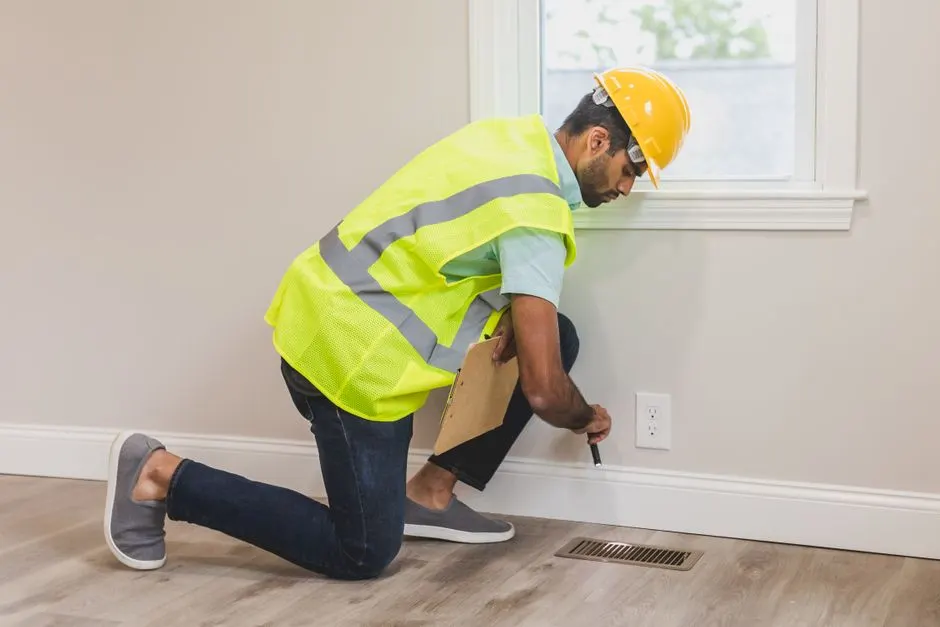
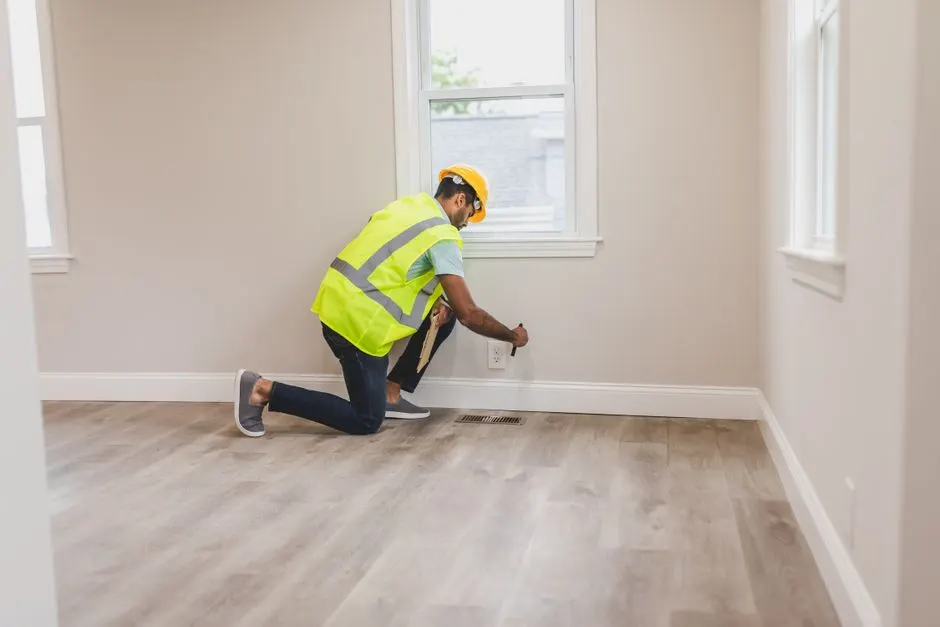
A home inspector in high visibility vest examines an electrical outlet in a modern room.
Our track record
Our track record

Field evidence from Spanish Fork Canyon jobs

What four years in the canyon looks like

Since 2022, we have run more than 600 mold inspections in Spanish Fork Canyon and the surrounding Utah County corridor. The pattern is consistent: about 40 percent of canyon jobs trace back to a roof leak from snow load, roughly 35 percent start with crawl space moisture from spring runoff, and the rest split between foundation seepage, HVAC contamination, and post-flood work. We have inspected cabins up U.S. Route 6, family homes in Canyon View and Canyon Creek, and rental properties in Canyon Estates. When we say we know this canyon, it is because we have been in its crawl spaces and attics hundreds of times. If you need the best mold inspection in Spanish Fork Canyon, start with a team that has already seen your neighbor's problem.

600+
Canyon inspections completed

Local questions

Who does mold inspection in Spanish Fork Canyon UT?

Spanish Fork Mold Pros has provided mold inspection in Spanish Fork Canyon since 2022. We cover Canyon View, Canyon Creek, Canyon Estates, and the U.S. Route 6 corridor, including cabins and rural properties. Our team is licensed in Utah and follows EPA mold guidelines and IICRC S520 standards on every job. Call 555 123 4657 to book.

How much does mold testing cost in Spanish Fork Canyon?

Most Spanish Fork Canyon mold testing runs $350 to $750 for a standard home in 2026. Cabins and rural properties along U.S. Route 6 often run $500 to $900 because of access and more widespread moisture. Air quality testing with lab analysis adds $150 to $300 per sample set. We give you a clear price before we start.

Is mold inspection worth it in Spanish Fork Canyon?

Yes, especially for canyon properties. Snow-load roof leaks, spring runoff, and high humidity create mold conditions that valley homes rarely see. An inspection finds the source before mold spreads, which usually saves thousands in remediation. A $400 inspection that catches a roof leak early is one of the best investments you can make.

Trust and credentials

Licensed and certified for Utah County work

Mold inspection in Utah requires a state license, and we carry one. We also follow EPA mold guidelines for sampling and reporting, and we build our remediation protocols around IICRC S520 standards. Our technicians hold IICRC WRT and ACAC certifications, which means they are trained in water damage restoration and mold assessment, not just visual inspection. For Spanish Fork Canyon clients, this matters because canyon jobs often involve insurance claims, real estate transactions, or remediation bids. Our reports are written to hold up in all three. We are insured, we document everything with photos and moisture readings, and we stand behind our work.

Utah mold inspection license
Utah general liability insurance for inspection services
IICRC WRT (Water Damage Restoration Technician) IICRC
When To Call

Signs you need Mold Inspection in Spanish Fork Canyon

Canyon homes give you warning signs before mold becomes a big problem, but they are easy to miss if you do not know what to look for. If you have been searching for mold inspection in Spanish Fork Canyon UT near me, these are the triggers that should push you to book an inspection.

1. Musty odor that gets stronger in spring

A musty smell that shows up every spring usually means crawl space or foundation moisture is feeding mold growth. In Spanish Fork Canyon, this is often tied to mountain runoff raising the water table. The smell is the mold releasing spores into your living space, and it will not go away on its own.

2. Brown rings or stains on the ceiling

Ceiling stains in canyon homes almost always trace back to a roof leak from snow load. The stain is the visible part, but the wet insulation and sheathing above it are where mold grows. By the time you see the ring, the leak has usually been active for weeks or months.

3. Condensation on windows and cold walls

High humidity in canyon air keeps interiors damp, and condensation on windows is a sign your home is not ventilating properly. That moisture feeds mold on window frames, drywall, and insulation. A hygrometer reading above 60 percent indoors is a red flag.

4. Crawl space smells earthy or damp

If your crawl space smells like wet dirt, moisture is sitting where it should not be. Canyon crawl spaces stay damp longer than valley crawl spaces, and mold growth on joists and insulation follows. A borescope inspection will tell you exactly what is happening down there.

5. You just bought or inherited a canyon cabin

Cabins that sat empty or were used seasonally often have hidden moisture problems. A pre-purchase or post-purchase mold inspection gives you a baseline and tells you what needs fixing. This is the single best time to catch a problem before it gets expensive.

Local Problem Patterns

Common Mold Inspection problems in Spanish Fork Canyon

Canyon properties face a specific set of moisture problems that valley homes do not. High humidity in canyon air, snow-load roof damage, mountain runoff, and older building stock all combine to create conditions where mold thrives. If you need mold testing Spanish Fork Canyon UT homeowners rely on, these are the four problems we see most.

Attic mold from snow-load roof leaks

Why it happens here

Roofs in Spanish Fork Canyon hold snow longer than valley roofs, and the freeze-thaw cycle opens seams, flashing, and shingle edges. Water gets in slowly, soaks insulation, and feeds mold on sheathing and rafters. Most homeowners do not notice until a ceiling stain appears.

Our approach

We inspect attic sheathing, rafters, and insulation on every canyon job, using thermal imaging to find active leaks. If we find wet insulation, we recommend replacing it rather than drying it, because wet insulation grows mold and loses R-value.

Crawl space mold from spring runoff

Why it happens here

Crawl spaces in Canyon View and Canyon Creek sit close to the water table in spring, and mountain runoff keeps soil moisture high for weeks. Failed vapor barriers let that moisture rise into the crawl space, where it condenses on joists and insulation. Mold growth follows within days.

Our approach

We measure crawl space humidity with a hygrometer, inspect joists and insulation with a borescope camera, and recommend encapsulation liner and dehumidifier desiccant systems where needed. We re-test after installation to confirm the fix worked.

Foundation seepage into basements

Why it happens here

Slope drainage and spring runoff push water against foundation walls in Canyon Estates and along the canyon floor. Hydrostatic pressure forces water through cracks and block walls, and finished basements hide the problem until mold spreads. This is one of the most expensive problems to fix if you wait.

Our approach

We inspect foundation walls, sill plates, and the first foot of framing for mold growth and moisture. We use moisture mapping sensors to chart how far water has spread, and we recommend drainage fixes outside before any interior repair.

HVAC mold contamination in closed cabins

Why it happens here

Cabins along U.S. Route 6 sit empty for months, and the HVAC system does not run. Moisture builds up in ductwork and on coils, and mold grows undisturbed. When the system finally runs, it spreads spores through every room in the cabin.

Our approach

We inspect ductwork and air handlers with a borescope camera and take air samples at supply registers. If we find contamination, we recommend duct cleaning and antimicrobial solution treatment, then re-test to confirm the system is clean.

Local Pricing

What Mold Inspection in Spanish Fork Canyon costs

Typical 2026 pricing for a mold inspection in Spanish Fork Canyon runs $350 to $750 for a standard single-family home, depending on square footage and how many areas we need to sample. Cabins and rural properties along U.S. Route 6 often run $500 to $900 because they tend to have more complex access and more widespread moisture issues. Air quality testing with lab analysis adds $150 to $300 per set of samples. Crawl space inspections in Canyon View and Canyon Creek usually fall in the lower end of the range unless encapsulation is needed. We give you a clear price before we start, and we do not add charges for follow-up questions or report clarifications.

Availability in Spanish Fork Canyon: We book most Spanish Fork Canyon inspections within 24 to 48 hours, and we can often accommodate same-day requests if you call before noon. We work Monday through Saturday, and we handle emergency post-flood and water damage calls seven days a week. Canyon properties with access issues may need a little more scheduling flexibility in winter, but we always find a way to get there.

1

Property size and layout

Larger homes in Canyon Estates take longer to inspect and may need more sampling locations. A 4,000-square-foot home with a finished basement runs higher than a 1,500-square-foot cabin, simply because there is more area to cover and more places for moisture to hide.

2

Number of samples needed

Each air sample, tape lift, or swab adds lab cost. A simple inspection with one or two samples stays on the low end. If we suspect HVAC contamination or widespread mold, we may recommend four to six samples, which pushes the price up but gives you a much clearer picture.

3

Access and elevation

Cabins and rural properties up U.S. Route 6 sometimes require extra travel time and four-wheel drive access in winter. Crawl spaces with tight entry points also take longer. We factor this into the quote upfront so there are no surprises.

Year-Round Coverage

How seasons affect Mold Inspection in Spanish Fork Canyon

Spanish Fork Canyon has a real winter, a fast spring melt, and a dry summer. Each season brings different mold risks, and knowing what to expect helps you stay ahead of them. If you want affordable mold testing in Spanish Fork Canyon, timing your inspection to the season matters.

Spring

Spring is our busiest season in Spanish Fork Canyon. Mountain runoff and snowmelt raise soil moisture, crawl spaces get damp, and foundation seepage shows up in basements. Roof leaks from winter snow load also become visible as ceilings stain. This is when most mold problems reveal themselves.

Tip

Book a crawl space and attic inspection in early spring before the melt peaks. If you had a wet basement last year, get it checked before this year's runoff starts.

Summer

Summer dries out the canyon, but it also brings monsoon moisture and higher indoor humidity from air conditioning. HVAC mold contamination becomes more noticeable because the system runs constantly. Cabins that sat closed all winter often get inspected in early summer when owners return.

Tip

Check your HVAC system and ductwork in early summer, especially if the cabin sat empty. Run the system for a few days before you arrive and watch for musty odors.

Fall

Fall is the best time to prepare for winter. Roof inspections before snow load arrives can catch flashing and shingle problems before they become leaks. Crawl space moisture starts to drop, which makes it a good time for encapsulation work. This is also when we do a lot of pre-winter prevention consultations.

Tip

Schedule a roof and attic inspection in October before the first snow. Fix any flashing or shingle issues now, and you will avoid a spring mold problem.

Winter

Winter brings snow load, cold temperatures, and closed-up homes. Roof leaks start quietly under snow and do not show up until spring. Cabins that sit empty are at the highest risk because no one is watching for moisture. Indoor humidity can rise if the home is sealed tight without ventilation.

Tip

If you leave a canyon cabin empty for winter, run a dehumidifier and leave a little heat on. Check the attic for frost or condensation whenever you visit, and book a spring inspection before you open the cabin for the season.

Hiring Smart

What to ask before hiring a Mold Inspection in Spanish Fork Canyon

Not every mold inspector knows canyon properties. Before you hire anyone in Spanish Fork Canyon, ask a few direct questions. The answers will tell you whether you are getting a real inspection or a sales pitch.

  1. 1

    "Do you inspect crawl spaces and attics, or just the living area?"

    Why it matters

    In Spanish Fork Canyon, the mold is almost always in the crawl space or attic, not the living room. An inspector who only checks visible areas will miss the source. We inspect the whole building envelope on every job.

  2. 2

    "What tools do you use to find hidden moisture?"

    Why it matters

    A moisture meter and thermal imaging camera are the minimum. A borescope camera lets us see inside walls and ductwork without tearing them apart. If an inspector shows up with just a flashlight, they are guessing.

  3. 3

    "Do you send samples to an accredited lab?"

    Why it matters

    Lab analysis tells you what kind of mold you have and how much. That matters when you are deciding between cleaning and full remediation. We use accredited labs and provide written reports with spore counts.

  4. 4

    "Will you give me a written protocol I can hand to a remediation contractor?"

    Why it matters

    A written protocol based on IICRC S520 standards keeps the remediation job on track and gives you something to compare bids against. It also helps if you file an insurance claim. We build protocols for every job that needs one.

  5. 5

    "How long have you been working in Spanish Fork Canyon specifically?"

    Why it matters

    Canyon properties have specific moisture patterns that valley inspectors miss. We have been working this canyon since 2022 and have completed over 600 inspections here. Local experience means we know where to look first.

Knowing the Area

Spanish Fork Canyon landmarks we work around

We use canyon landmarks to orient our schedule and route every day. U.S. Route 6 is the main artery, and most of our canyon jobs sit within a few minutes of it. Canyon Creek Park is a common reference point for properties in the middle of the canyon, and the canyon mouth near Spanish Fork is where most of our Canyon View and Canyon Creek work happens. If you are giving us directions, landmarks work better than addresses up here.

Landmarks

  • Spanish Fork Canyon

    The canyon itself defines our service area. Properties from the mouth up past the higher elevations all fall within our coverage, and the terrain shapes every inspection we run here.

  • U.S. Route 6

    Route 6 is the main road through the canyon and the route we take to nearly every job. Cabin and rural properties along the corridor are some of our most frequent inspection sites.

  • Canyon Creek Park

    Canyon Creek Park is a useful reference point for properties in the middle of the canyon. We inspect homes and rentals in the surrounding area regularly, especially in spring after runoff.

Commercial Districts

  • Canyon mouth commercial strip

    Small shops and service businesses near the canyon mouth occasionally need commercial mold inspection, usually after a roof leak or HVAC issue. We work around business hours so they do not lose a day of operation.

  • Route 6 corridor businesses

    Businesses along U.S. Route 6 include gas stations, storage facilities, and small offices. Moisture problems here tend to come from roof leaks and foundation seepage, and we inspect them the same way we inspect homes.

Transport & Access

  • U.S. Route 6 canyon entrance

    The main entry point to the canyon, about 5 minutes from our Spanish Fork base. Most of our canyon jobs start here and run up the corridor.

  • Spanish Fork Main Street connection

    Main Street connects Spanish Fork to the canyon mouth, and it is the route we take for most Canyon View and Canyon Creek jobs. About 10 minutes from base.

Service Area

Mold Inspection Coverage Across Spanish Fork Canyon & Utah County

Routine and same-week appointments for residents and businesses across Utah County, including the ZIP codes below.

84660
!

Book Mold Inspection in Spanish Fork Canyon today

If you have a musty odor, a ceiling stain, or a crawl space that stays damp every spring, do not wait for it to get worse. Spanish Fork Mold Pros has been inspecting canyon properties since 2022, and we know exactly where to look. Call us at 555 123 4657 or fill out our contact form, and we will schedule your inspection within 24 to 48 hours. Same-day appointments are often available if you call before noon.

Book an inspection
Call Now: 555 123 4657