Spanish Fork Mold Pros
Historic Downtown Mold Inspection

Mold Inspection in Historic Downtown Finds Hidden Moisture Fast

Mold Inspection in Historic Downtown starts with finding the water, not guessing at the stain. Our technicians work the Old Town Core, Heritage District, and Main Street Corridor every week, using thermal imaging cameras and moisture meters on century-old buildings with original plumbing. We test, we map, and we tell you exactly where the problem starts. Call 555 123 4657.

2022
Serving Historic Downtown since
1,400+
Inspections completed
fall roof-leak season
Right now in Historic Downtown

Historic Downtown overview

Mold Inspection in Historic Downtown: Local Knowledge That Matters

Why we work in Historic Downtown

We work Historic Downtown because the buildings here demand it. Century-old structures with original plumbing leak slowly and quietly, and by the time a homeowner smells musty air, the moisture has been sitting for months. The Main Street Corridor has commercial spaces above retail, and those upper floors catch roof leaks that nobody notices until the ceiling stains. The Old Town Core has basements that sit close to the water table, and every wet spring pushes groundwater against foundation walls. We built our schedule around this neighborhood because the calls come in waves: after a hard rain, after a snowmelt, after a pipe finally gives out. Being here weekly means we know which blocks flood first and which buildings need a closer look.

Thermal imaging, moisture mapping, and lab-backed testing for Historic Downtown buildings

Historic Downtown is not a suburb with new construction and vapor barriers. It is the Old Town Core, the Heritage District, and the Main Street Corridor, where buildings date back a century and the plumbing inside them has been patched more times than anyone can count. Spanish Fork Mold Pros has served this neighborhood since 2022, and we have learned where the water hides. We run mold testing Historic Downtown UT customers can actually use: moisture meters on the baseboards, thermal imaging cameras behind plaster, and air sampling pumps in the rooms that smell wrong. If you need a mold assessment Historic Downtown homeowners trust, we walk the building the way a contractor would, not the way a checklist would. We know the high water table near the creek pushes moisture into basements on the east side of Main Street. We know the preservation-era construction materials in the Heritage District trap humidity in ways modern drywall does not. That is the difference between a real inspection and a visual scan.
Services available

Mold Inspection Services We Offer in Historic Downtown

Every Historic Downtown building has its own moisture story, and the service we recommend depends on what we find. A 1910 bungalow in the Old Town Core needs different tools than a commercial space on the Main Street Corridor. If you have been searching for mold inspection in Historic Downtown UT near me, here is what we actually do when we show up: we test, we map, we sample, and we tell you where the water is coming from. No guesswork, no scare tactics.

How we work locally

How Mold Inspection in Historic Downtown Gets Done Right

Challenge: Century-old plumbing leaks behind original plaster walls

In the Heritage District, original galvanized pipes corrode from the inside out and leak slowly into wall cavities. By the time a homeowner sees a stain, the moisture has been feeding mold for weeks. Visual inspection alone will not find it.

Solution: We use a FLIR thermal imaging camera and a Protimeter moisture meter to scan plaster walls for temperature and moisture differences. When we find a wet zone, we confirm with a borescope camera through an outlet or trim gap. That tells us where the leak is without tearing out historic plaster.

Challenge: High water table pushing moisture into Old Town Core basements

Basements in the Old Town Core sit close to the water table near the creek, and every wet spring pushes groundwater against foundation walls. That moisture wicks through concrete and stone, raising indoor humidity and feeding mold on joists and stored items.

Solution: We measure humidity with a hygrometer and check foundation walls and floor joists with a moisture meter. If the basement is damp but not actively leaking, we recommend a dehumidifier desiccant unit and improved drainage. If water is coming through, we document it for your contractor.

Neighborhoods we serve

Old Town CoreHeritage DistrictMain Street CorridorSpanish Fork Historic Main StreetCity Hall areaFairgrounds area

Service area

Historic Downtown

Latitude: 40.115

Extract Directions

Case files

Recent project: 1

Old Town Core, near Spanish Fork City Hall

Challenge

A 1920s bungalow in the Old Town Core had a musty smell in the basement that the owner could not trace. No visible mold, no obvious leak.

Execution

We ran a FLIR thermal imaging camera along the foundation walls and found a cold zone behind a finished panel. A Protimeter moisture meter confirmed elevated moisture. We pulled the panel and found black mold growth on the framing. We took tape lift samples, sent them to the lab, and wrote a remediation protocol that specified containment and HEPA filtration.

Impact

The lab confirmed Cladosporium and Penicillium. The homeowner had the affected framing replaced and the basement dried. Follow-up clearance testing showed spore counts back to normal. Total time from inspection to clearance: 11 days.

Recent project: 2

Main Street Corridor, near Spanish Fork Historic Main Street

Challenge

A property manager on the Main Street Corridor had a retail tenant reporting musty odors in a back stockroom. The building had a flat roof with a history of leaks.

Execution

We inspected the stockroom ceiling with a borescope camera and found wet insulation above the ceiling tiles. Thermal imaging showed the moisture trail leading back to a roof drain. We sampled the insulation and the air, and both showed elevated mold spores. We recommended removing the wet insulation, repairing the drain, and running HEPA air scrubbers during the work.

Impact

The insulation was replaced, the drain was repaired, and clearance testing confirmed the air was clean. The tenant stayed in the space, and the property manager avoided a costly turnover. The whole job took nine days.

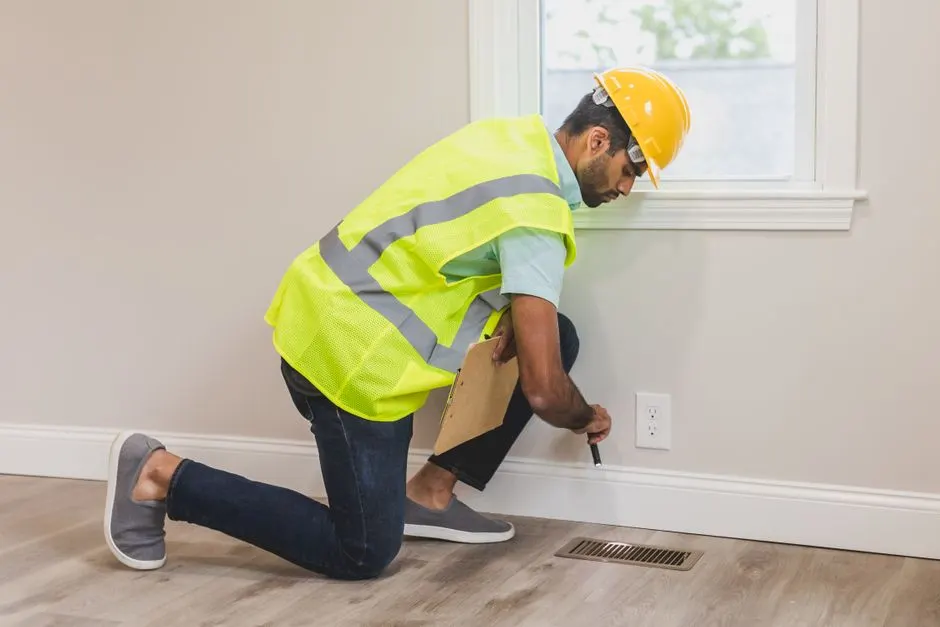
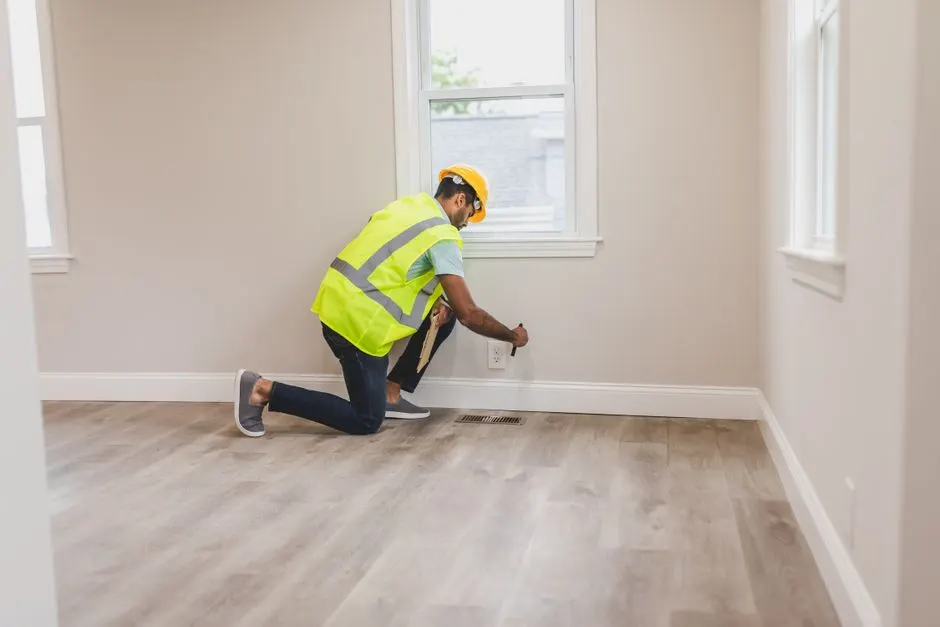
A home inspector in high visibility vest examines an electrical outlet in a modern room.
Our track record
Our track record

Field Evidence from Historic Downtown Jobs

What We See in Historic Downtown

Since 2022, we have completed more than 1,400 mold inspections in and around Historic Downtown. The pattern is consistent: about 60 percent of the basements we inspect in the Old Town Core show elevated moisture from foundation seepage, and roughly 40 percent of attics in the Heritage District have some level of mold growth from roof leaks. We have sampled air quality in more than 300 Historic Downtown buildings, and in nearly half of those, the indoor spore count was at least double the outdoor count. That is not a guess. That is a lab result. When we do a mold assessment Historic Downtown property owners can act on, we bring back numbers, photos, and a clear next step. If you have been putting off a mold inspection because you are not sure it is worth it, the data says otherwise.

1,400+
Inspections completed

Local questions

Who does mold inspection in Historic Downtown UT?

Spanish Fork Mold Pros does mold inspection in Historic Downtown UT. We have served the Old Town Core, Heritage District, and Main Street Corridor since 2022. We use thermal imaging cameras, moisture meters, and lab analysis to find mold and moisture. Call 555 123 4657 to schedule.

How much does mold testing cost in Historic Downtown?

Most mold testing in Historic Downtown runs $250 to $600 in 2026, depending on building size and how many samples we take. A standard home inspection with two to three samples is usually $300 to $450. Lab fees are included. Call us for a quote.

Is mold inspection worth it in Historic Downtown?

Yes, especially in century-old buildings where hidden leaks are common. A mold inspection in Historic Downtown finds moisture behind walls and under floors before it becomes a bigger problem. Early detection saves thousands in remediation and repairs. We have completed over 1,400 inspections since 2022.

Licensed & insured

Licensed and Insured for Mold Inspection in Historic Downtown

Spanish Fork Mold Pros carries the licensing and insurance required to perform mold inspections in Utah. We follow EPA mold guidelines and IICRC S520 standards on every job, which means our reports and protocols are accepted by contractors, landlords, and insurers. Our technicians are trained in moisture detection, thermal imaging, and air sampling. We carry general liability insurance and maintain our credentials so you do not have to worry about whether the work is done right. When we inspect your Historic Downtown building, you get a professional report you can use.

Utah mold inspection license
Utah general liability insurance
IICRC S520 Mold Remediation Standard IICRC
When To Call

Signs You Need a Mold Inspection in Historic Downtown

Mold does not always announce itself with a big black stain. In Historic Downtown, it often starts behind a wall, under a floor, or in an attic you never visit. If you have been searching for a mold inspector near Historic Downtown UT, these are the signs that mean it is time to call.

1. Musty odor in the basement or crawl space

A musty smell means mold is actively growing somewhere, even if you cannot see it. In Historic Downtown basements, the source is often foundation seepage or a slow plumbing leak. The longer it runs, the more mold spreads. Call us before it reaches the living space.

2. Ceiling stains or bubbling paint

A ceiling stain usually means a roof leak or a plumbing leak above. In the Heritage District, original roof decks and old pipes are common culprits. The stain is the visible part; the mold is often in the attic insulation above it. We inspect both.

3. Warped or cupping wood floors

Original hardwood floors in Historic Downtown buildings cup when moisture gets underneath them. That moisture feeds mold in the subfloor, which you cannot see. If your floors are warping, we need to find the water source before the damage gets worse.

4. Condensation on windows or pipes

Condensation means indoor humidity is too high, which is a mold risk. Older Historic Downtown buildings often have poor ventilation, so humidity builds up. We measure humidity with a hygrometer and recommend fixes, from bath fans to dehumidifiers.

5. Recent water damage or flooding

If your Historic Downtown building had a pipe burst, a roof leak, or a sewage backup, mold can start growing in 24 to 48 hours. Even if the water is gone, the moisture remains in walls and floors. A post-flood mold inspection catches it before it spreads.

Local Problem Patterns

Common Mold Problems in Historic Downtown

Historic Downtown has a specific set of conditions that drive mold growth: century-old buildings with original plumbing, a high water table near the creek, and preservation-era construction materials that trap moisture. These are not generic problems. They are Historic Downtown problems, and we see them every week.

Basement seepage from the high water table

Why it happens here

The water table near the creek sits close to basement floors in the Old Town Core. Every wet spring, groundwater pushes against foundation walls and wicks through concrete and stone. That moisture raises indoor humidity and feeds mold on joists and stored items.

Our approach

We measure moisture in foundation walls and floor joists with a Protimeter moisture meter. If the basement is damp but not actively leaking, we recommend a dehumidifier desiccant unit and improved drainage. If water is coming through, we document it so your contractor can fix it.

Hidden leaks behind original plaster walls

Why it happens here

Galvanized pipes in Heritage District homes corrode from the inside out and leak slowly into wall cavities. Plaster holds moisture longer than drywall, so the leak can run for weeks before anyone notices. By then, mold is already growing.

Our approach

We use a FLIR thermal imaging camera to scan plaster walls for temperature differences, then confirm with a moisture meter. If we find a wet zone, we use a borescope camera through an outlet or trim gap to see inside without tearing out historic plaster.

Attic mold from roof leaks in preservation-era buildings

Why it happens here

Original roof decks in the Heritage District have been patched for decades, and flashing failures let water into attic insulation. The insulation holds moisture against wood sheathing, and mold starts growing within days. Homeowners rarely go into the attic to check.

Our approach

We inspect attic sheathing, rafters, and insulation with a moisture meter and borescope camera. If we find wet insulation, we tell you it has to be removed, because it will not dry in place. We also check for proper ventilation, since trapped heat and moisture make the problem worse.

HVAC mold contamination spreading through the building

Why it happens here

Older HVAC systems in Historic Downtown buildings often have wet evaporator coils or leaky ductwork. When the system runs, it spreads mold spores through every room. If the coil has been wet for a season, the whole building has been breathing it.

Our approach

We inspect duct interiors with a borescope camera and check the evaporator coil and drain pan for moisture. If we find contamination, we recommend cleaning or replacement and take air samples to confirm the spore levels before and after.

Local Pricing

Mold Inspection Pricing in Historic Downtown

Typical 2026 pricing for a mold inspection in Historic Downtown runs $250 to $600, depending on the size of the building and how many samples we take. A standard single-family home inspection with two to three samples usually lands in the $300 to $450 range. If we need to inspect a crawl space, attic, and basement, or if we are dealing with a commercial building on Main Street, the price goes up. Lab fees are included in our quotes, so you are not surprised later. If you have been looking for affordable mold testing in Historic Downtown, we are happy to give you a straight answer over the phone before we schedule.

Availability in Historic Downtown: We schedule mold inspections in Historic Downtown Monday through Saturday, with same-day availability for active leaks or post-flood situations. If you need mold testing Historic Downtown 24/7, call us and we will tell you honestly whether we can get there that day or first thing the next morning. We do not charge extra for evening or weekend appointments when they are available.

1

Building size and complexity

A 1,200-square-foot bungalow in the Old Town Core takes less time than a 3,000-square-foot commercial building on Main Street. More square footage means more areas to inspect and more samples to take, which affects the total price.

2

Number of samples and lab analysis

Each air sample, tape lift, or swab sample costs money to analyze. If we take three samples, the lab fee is lower than if we take eight. We only take the samples we need to answer the question, but more extensive growth means more testing.

3

Access and equipment needed

Crawl spaces with tight access, attics with no flooring, and basements with finished ceilings all take longer to inspect. If we need a borescope camera or thermal imaging to see behind walls, that adds time but saves you from unnecessary demolition.

Year-Round Coverage

How Seasons Affect Mold Inspection in Historic Downtown

Historic Downtown has four distinct seasons, and each one brings different mold risks. Spring snowmelt and rain push water against foundations. Summer humidity and AC condensation create damp conditions indoors. Fall leaves clog gutters and cause roof leaks. Winter ice dams and frozen pipes lead to water damage. If you need same-day mold inspection in Historic Downtown UT, we adjust our schedule to match the season.

Spring

Spring is our busiest season for basement and crawl space inspections in Historic Downtown. Snowmelt and rain raise the water table, and foundation seepage is common in the Old Town Core. We also see attic mold from roof leaks that started during winter.

Tip

Check your basement and crawl space for dampness after the first big melt. If you smell musty air, call us before the problem spreads. Spring is the best time to catch foundation issues early.

Summer

Summer humidity and air conditioning create condensation in older Historic Downtown buildings. HVAC mold contamination is more common in summer because the system runs constantly and wet coils stay wet. We also see bathroom mold from poor ventilation.

Tip

Keep your indoor humidity below 50 percent. If your AC drain line clogs, fix it immediately. Check under sinks and around toilets for slow leaks that go unnoticed in dry weather.

Fall

Fall is roof leak season in the Heritage District. Leaves clog gutters, and the first heavy rain finds every flashing failure. Attic mold from roof leaks shows up in fall and early winter. We also see window and door leaks as seals fail.

Tip

Clean your gutters before the first freeze. Check your attic for stains or musty odors after a heavy rain. If you see water stains on the ceiling, call us before the mold spreads.

Winter

Winter brings ice dams and frozen pipes to Historic Downtown. When pipes freeze and burst, water runs into walls and floors, and mold can start in 24 to 48 hours. Ice dams force water under shingles and into attics. We handle post-flood mold inspections all winter.

Tip

Insulate exposed pipes in basements and crawl spaces. If a pipe freezes, thaw it slowly and watch for leaks. After any water damage, call us for a mold inspection before you rebuild.

Hiring Smart

What to Ask Before Hiring a Mold Inspector in Historic Downtown

Not every mold inspector in Historic Downtown does the same work. Some only do visual inspections. Some do not take samples. Some do not carry thermal imaging cameras. Before you hire anyone, ask these questions. The answers will tell you whether you are getting a real inspection or a quick look.

  1. 1

    "Do you use thermal imaging and moisture meters, or just a visual inspection?"

    Why it matters

    Visual inspections miss hidden moisture behind walls and under floors. Thermal imaging cameras and moisture meters find the water you cannot see. If a contractor does not use them, they are guessing.

  2. 2

    "Do you take samples and send them to a lab?"

    Why it matters

    Lab analysis tells you what kind of mold you have and how bad it is. Without it, you are relying on someone's opinion. We use tape lift samples, swab samples, and air sampling pumps to get real data.

  3. 3

    "Are you licensed and insured in Utah?"

    Why it matters

    Utah has specific requirements for mold inspectors. Licensing and insurance protect you if something goes wrong. Ask for proof before you let anyone into your Historic Downtown building.

  4. 4

    "What does your report include?"

    Why it matters

    A good report includes photos, moisture readings, lab results, and a clear recommendation. If the report is just a one-page summary with no data, it will not help you with a contractor, a landlord, or an insurance claim.

  5. 5

    "Do you follow IICRC S520 standards?"

    Why it matters

    IICRC S520 is the industry standard for mold remediation. If your inspector follows it, their protocol will be accepted by contractors and insurers. If they do not, you may have trouble getting the work done correctly.

Knowing the Area

Historic Downtown Landmarks We Work Around

We use Historic Downtown landmarks to navigate and to orient our scheduling. Spanish Fork Historic Main Street is our main route through the commercial core. Spanish Fork City Hall is a reference point for the older residential blocks on the east side. Spanish Fork Fairgrounds marks the southern edge of our regular service area. Knowing these landmarks helps us plan routes and give you accurate arrival windows.

Landmarks

  • Spanish Fork Historic Main Street

    This is the spine of Historic Downtown. We drive it daily and know which blocks have parking and which require us to carry equipment from a side street. It also helps us group jobs so we can respond faster.

  • Spanish Fork City Hall

    City Hall anchors the older residential blocks on the east side of Historic Downtown. When we schedule inspections near here, we know we are working in some of the oldest housing stock in the area, which means original plumbing and plaster walls.

  • Spanish Fork Fairgrounds

    The Fairgrounds mark the southern edge of our Historic Downtown coverage. Homes and commercial buildings near here often have crawl space moisture from the nearby creek, and we inspect them regularly.

Commercial Districts

  • Main Street retail district

    Retail spaces along Main Street often have apartments above, and roof leaks or plumbing failures affect both. Property managers call us for mold inspections when tenants report musty odors or when a ceiling stain appears.

  • Heritage District business offices

    Converted homes in the Heritage District now serve as offices and small businesses. These buildings have original plumbing and often poor ventilation, which makes them prone to humidity and mold. We inspect them regularly.

Transport & Access

  • US-6 and Main Street intersection

    This is the main entry point to Historic Downtown from the highway. We use it to reach jobs quickly, especially when coming from other parts of Spanish Fork.

  • Spanish Fork Airport Area

    The airport area is a short drive from Historic Downtown and gives us a secondary route when Main Street is congested. It helps us keep arrival windows tight.

Service Area

Mold Inspection Coverage Across Historic Downtown & Utah County

Routine and same-week appointments for residents and businesses across Utah County, including the ZIP codes below.

84660
!

Schedule Your Mold Inspection in Historic Downtown Today

If you smell musty air, see a stain, or just want to know your Historic Downtown building is dry, call Spanish Fork Mold Pros. We have served this neighborhood since 2022 and completed over 1,400 inspections. We use thermal imaging, moisture meters, and lab analysis to find the problem and give you a clear plan. Call 555 123 4657 or fill out our contact form. We will get back to you fast.

Call now
Call Now: 555 123 4657