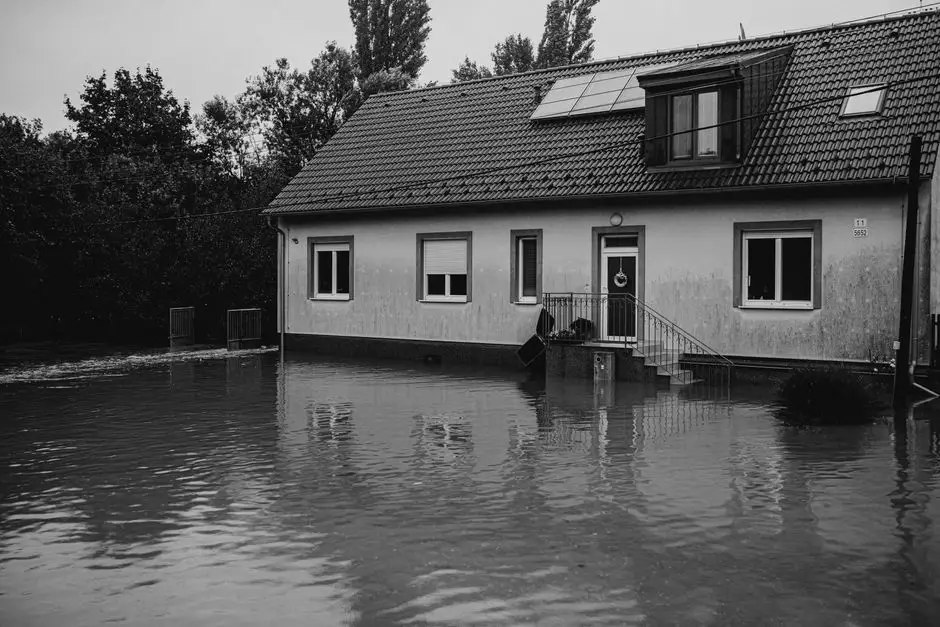
Testing for mold after a Spanish Fork flood means checking for visible growth, musty odors, and hidden moisture, then confirming what you find with air or surface samples sent to a lab. If your home took on water, start testing within 24 to 48 hours - that is the window when mold colonies begin forming on wet drywall, carpet, and framing.
We have walked hundreds of flooded basements and crawl spaces along the Spanish Fork River corridor and up toward Salem, and the pattern is always the same: the water recedes, the floor looks dry, and three weeks later the homeowner is calling about a smell they cannot place. Here is how to test for it properly, what it costs in 2026, and when it is worth bringing in a pro.
How soon does mold grow after a flood in Spanish Fork UT?
Mold growth after a flood in Spanish Fork UT typically begins within 24 to 48 hours of water contact, and visible colonies appear in 5 to 10 days on porous materials. The clock starts the moment water touches drywall, insulation, or carpet - not when you finally get around to pulling the wet stuff out.
Three things speed that timeline up here:
- Summer humidity. Spanish Fork runs 85 to 95°F in July and August, and indoor humidity after a flood often sits above 70%. Mold loves that range.
- Category 3 water. Sewage backups and river flooding carry bacteria and organic matter that feed mold faster than a clean supply-line leak.
- Trapped moisture. Water that wicked up behind baseboards or under laminate flooring stays wet for weeks, even when the surface feels dry to the touch.
If your flood happened more than 48 hours ago and you have not started drying, assume mold is already growing and test accordingly.
How do I test for mold after a flood in Spanish Fork?
You test for mold after a flood in Spanish Fork by combining a visual inspection, a moisture check, and laboratory sampling - in that order. Skipping the moisture check is the single most common mistake we see, because mold follows water, and water hides.
Step 1: Walk the space and look for the obvious
Grab a flashlight and check the areas flood water actually reached. Look for dark speckling on drywall, discolored baseboards, peeling paint, warped flooring, and a musty, earthy smell. If you can see or smell it, you do not need a test to confirm - you need a plan to fix it.
Step 2: Check moisture levels with a meter
A $40 pin-type moisture meter from any hardware store will tell you whether drywall, subfloor, or framing is still wet. Normal indoor wood moisture in Utah sits around 6% to 10%. Anything above 15% is a mold risk, and anything above 20% is actively feeding growth.
For a more thorough read, we use Moisture Mapping Spanish Fork UT to trace exactly where water traveled behind walls and under floors. It is the difference between guessing and knowing.
Step 3: Take air and surface samples
Air sampling pulls spores out of the room air and compares indoor counts to an outdoor baseline. Surface sampling (tape lifts or swabs) confirms whether the black stuff on your baseboard is actually mold or just dirt. Both go to an accredited lab, and results usually come back in 3 to 5 business days.
We handle the whole chain - collection, chain of custody, and lab interpretation - through Mold Sampling and Lab Analysis Spanish Fork UT.
Step 4: Check the spaces you did not think about
Flood water does not stay where you can see it. It wicks into crawl spaces, soaks attic insulation from roof leaks that happened at the same time, and pools under basement slabs. If your home has any of those, they need to be on the testing list.
DIY mold test kits vs. professional testing
DIY mold test kits cost $10 to $50 and can tell you whether mold spores are present. They cannot tell you the species, the concentration, or where the growth is coming from - and those three things are what actually drive the cleanup decision.
Here is the honest comparison:
- DIY petri dish kits: Cheap, easy, and prone to false positives because every home has some mold spores in the air. Useful as a rough yes/no, not much else.
- DIY air samplers: $200 to $400 for the equipment alone, plus $30 to $60 per lab sample. By the time you buy the gear, you have spent more than a professional inspection.
- Professional testing: $300 to $700 in Spanish Fork in 2026 for a full inspection with 2 to 4 lab samples, moisture mapping, and a written report you can hand to your insurance adjuster.
The DIY route makes sense if you just want to know whether to call someone. It stops making sense the moment you need documentation, a scope of work, or a clearance test after remediation.
What post-flood mold testing costs in Spanish Fork in 2026
Post-flood mold testing in Spanish Fork runs $300 to $700 for a standard single-family home in 2026, depending on square footage and how many samples the job requires. Larger homes, crawl space work, and emergency after-hours calls push toward the top of that range or slightly above it.
Typical 2026 pricing in this area breaks down like this:
- Basic visual inspection with moisture readings: $150 to $250
- Air quality testing with 2 samples (indoor + outdoor baseline): $250 to $400
- Additional lab samples: $50 to $90 each
- Full post-flood inspection with report: $400 to $700
- Emergency same-day testing: add $100 to $200
Compare that to remediation, which runs $1,500 to $6,000 for a flooded basement in this market. Testing first almost always saves money, because it tells the remediator exactly what to tear out and what to leave alone.
If you want the full picture of what a proper inspection includes, our Post-Flood Mold Inspection Spanish Fork UT page walks through every step.
Does insurance cover mold testing after a flood in Spanish Fork?
Insurance usually covers mold testing after a flood in Spanish Fork when the mold is tied to a covered peril - a burst pipe, appliance failure, or storm-driven water intrusion. It typically does not cover mold that grew from long-term neglect or gradual seepage.
Two things decide the claim:
- The cause of the water. Sudden and accidental is covered. Slow and ongoing is not.
- The documentation. A written inspection report with photos, moisture readings, and lab results is what adjusters actually want to see.
Most Utah homeowner policies cap mold coverage at $5,000 to $10,000, and some require you to report the water damage within 14 days. Call your adjuster before you start ripping out drywall - the report from a professional inspection is what makes the difference between a paid claim and a denied one.
If your flood came from a roof leak during a spring storm, that is a different claim path than a sewage backup. We cover both through Roof Leak Mold Inspection Spanish Fork UT and our sewage backup work.
Common mistakes after a Spanish Fork flood
The most expensive mistakes after a Spanish Fork flood happen in the first 72 hours, before anyone thinks to test. Here is what we see over and over:
- Running fans without testing first. Box fans blow mold spores into rooms the water never reached. If you suspect growth, do not circulate the air until you know.
- Trusting the touch test. Drywall that feels dry on the surface can hold 25% moisture an inch in. Only a meter tells the truth.
- Pulling out wet carpet but leaving the pad. Carpet pad is a sponge. If it got wet, it is growing mold within 48 hours.
- Skipping the crawl space. Water pools there and stays for months. We find active growth in Spanish Fork crawl spaces a full year after the flood that caused it.
- Painting over the stain. Kilz does not kill mold. It hides it until the next moisture event.
- Waiting for the smell. By the time you smell it, the colony is established and the remediation bill just doubled.
One more: do not assume a clean-looking basement is a dry basement. We have tested Spanish Fork homes where the visible space was spotless and the crawl space mold testing Spanish Fork came back with elevated spore counts from a flood two winters ago.
When to call a professional
Call a professional when the flood involved sewage, when water sat for more than 48 hours, when the affected area is larger than 10 square feet, or when you need documentation for an insurance claim. Those four situations are where DIY testing stops being useful.
Our team at Spanish Fork Mold Pros handles the full inspection - moisture mapping, thermal imaging, air and surface sampling, and a written report with lab results. We tell you what is actually growing, where it came from, and what it will take to fix it. No guesswork, no upselling, no vague recommendations.
If you are still in the drying phase and not sure whether you have a problem, that is exactly the right time to call. A $300 inspection today beats a $6,000 remediation next spring.
Frequently Asked Questions
How do I test for mold after a flood in Spanish Fork?
Start with a visual walk-through and a moisture meter reading on any material flood water touched. If readings are above 15%, take air and surface samples and send them to an accredited lab. Professional testing runs $300 to $700 and includes a written report.
How soon does mold grow after a flood in Spanish Fork UT?
Mold starts growing within 24 to 48 hours of water contact and becomes visible in 5 to 10 days. Spanish Fork summer humidity above 70% speeds that up. If your flood was more than two days ago, assume growth has started.
Who does post-flood mold testing near me in Spanish Fork Utah?
Spanish Fork Mold Pros provides post-flood mold testing across Spanish Fork, Salem, Payson, and the surrounding Utah County area. We handle moisture mapping, air and surface sampling, lab analysis, and a written report you can give your insurance adjuster.
Does insurance cover mold testing after flood in Spanish Fork?
Usually yes, if the mold came from a covered event like a burst pipe or storm intrusion. Most Utah policies cap mold coverage at $5,000 to $10,000 and require reporting within 14 days. A professional inspection report is what makes the claim go through.
Can I just spray bleach on it and skip the test?
No. Bleach kills surface mold but does not reach roots inside drywall or framing, and it does not tell you how far the growth spread. Testing first tells you what actually needs to come out, which usually saves thousands in unnecessary demolition.
Get help with Mold Inspection in Spanish Fork
If your home took on water this year, do not wait for the smell. We will test it, document it, and tell you exactly what you are dealing with.
Call Spanish Fork Mold Pros at 555 123 4657 to schedule your post-flood mold inspection.