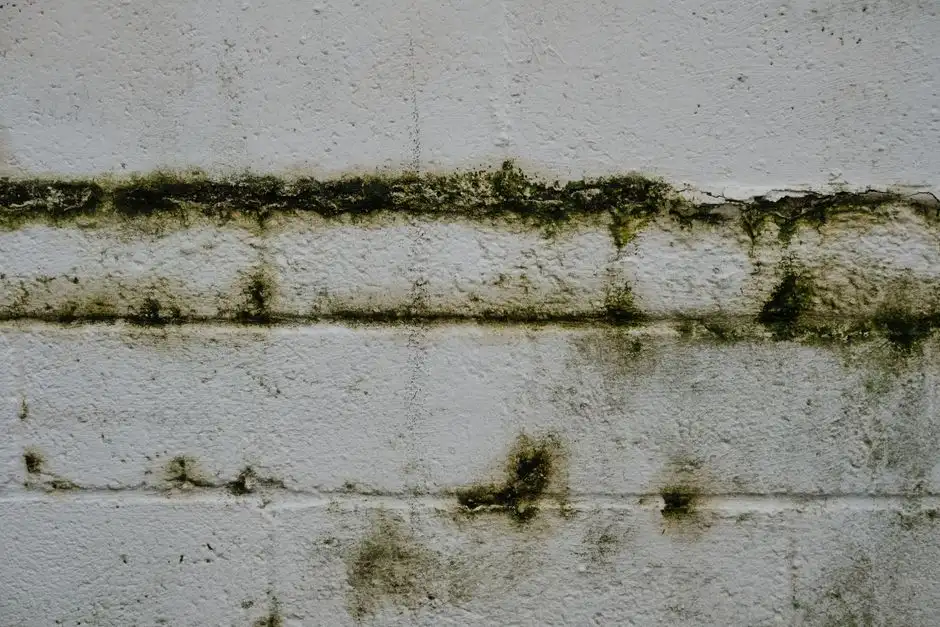
Homeowners insurance in Utah covers mold removal only when the mold grew out of a sudden, accidental water event that your policy already covers - like a burst pipe, a failed water heater, or an appliance supply line that let go. If the mold came from long-term seepage, poor ventilation, or a leak you knew about and didn't fix, the claim gets denied almost every time.
That distinction decides thousands of dollars for homeowners here in Spanish Fork, where we run into the same pattern over and over: a slow leak under a sink or behind a washing machine that finally shows up as a musty smell in the basement. This article walks through what's covered, what isn't, how Utah claim limits actually work, and how to file a mold claim without tripping the exclusions.
The short answer on mold coverage in Utah
Does homeowners insurance cover mold removal in Utah is a coverage question that turns on one thing: the water source. Standard HO-3 and HO-5 policies sold across Utah County cover mold remediation when the mold is the direct result of a covered peril - sudden and accidental discharge of water, a burst supply line, an overflowing toilet, a water heater failure, or storm-driven water that entered through a damaged roof or window.
The moment the adjuster decides the moisture built up over weeks or months, the claim flips to an exclusion. Insurance carriers treat long-term seepage as a maintenance failure, not a sudden loss. That's why the same mold growth in two identical Spanish Fork homes can produce one paid claim and one denial.
Most Utah policies also cap mold coverage with a sublimit - a separate dollar ceiling that sits on top of your dwelling coverage. Common sublimits run $5,000, $10,000, or $25,000. Some carriers offer a buy-back endorsement that raises the cap for an added premium.
What causes mold that insurance covers in Spanish Fork
What causes mold that insurance covers in Spanish Fork comes down to water events that were sudden, accidental, and reported promptly. Here's what adjusters actually pay for:
- Burst or frozen pipes. Utah winters push supply lines in exterior walls and unheated crawl spaces below freezing. When they split and thaw, the release is sudden - covered.
- Water heater failure. A tank that ruptures and dumps 40 to 50 gallons into a utility closet or basement floor is a classic covered loss.
- Appliance supply line breaks. Washing machine hoses, dishwasher lines, and refrigerator ice-maker lines fail without warning. Covered.
- Overflow from a fixture. A toilet or tub that overflows and soaks into subfloor and drywall is covered.
- Storm-related water intrusion. Wind-driven rain through a damaged roof, a broken window, or a failed flashing is covered. Rising groundwater and surface flooding are not.
We see the frozen-pipe scenario most often in older Spanish Fork homes built before the 1990s, where supply lines run through exterior walls with minimal insulation. A pipe that freezes at 2 a.m. in January and splits can push water into wall cavities for hours before anyone notices. By the time the drywall stains, mold has already colonized the paper backing - usually within 24 to 48 hours of the leak.
If you're staring at a wall that smells like a wet basement, our professional mold inspection Spanish Fork UT service traces the moisture back to its source and documents it for your adjuster. That documentation is what separates a paid claim from a denial.
What Utah homeowners policies exclude
Utah homeowners policies exclude mold that results from anything the carrier classifies as neglect, gradual damage, or a non-covered water source. The exclusions are consistent across nearly every major carrier writing in Utah County:
- Long-term seepage. A slow drip behind a shower wall or under a slab that went unrepaired for months.
- Poor maintenance. A leaking roof you patched with tar instead of replacing, or a cracked supply line you wrapped with tape.
- High humidity and condensation. Mold that grew because a bathroom had no exhaust fan or a basement had no dehumidifier.
- Flood and groundwater. Rising water, surface flooding, and sewer backup (unless you bought a separate endorsement) are excluded from standard policies.
- Construction defects. Mold from a builder's faulty flashing or missing vapor barrier usually falls to the builder, not your insurer.
Here's the part that catches people: carriers don't just deny the mold portion. If they determine the underlying water damage was gradual, they can deny the entire claim - drywall, flooring, and contents included. The mold exclusion drags the water damage down with it.
We've walked into Spanish Fork homes where a homeowner patched a roof leak two winters ago and hoped it held. When the ceiling finally sagged and the attic insulation turned black, the carrier pointed to the repair history and closed the file. That's a hard conversation, and it's avoidable.
Mold insurance coverage limits in Spanish Fork
Mold insurance coverage limits in Spanish Fork are almost always lower than homeowners expect. A policy with $400,000 in dwelling coverage might carry only a $10,000 mold sublimit. Remediation on a 1,200-square-foot basement can run $8,000 to $20,000 once you factor in containment, HEPA filtration, removal of affected drywall and insulation, and clearance testing.
Typical 2026 pricing in this area breaks down roughly like this:
- Mold inspection and moisture mapping: $350 to $700
- Air and surface sampling with lab analysis: $75 to $150 per sample
- Containment and HEPA setup: $1,200 to $2,500
- Drywall, insulation, and flooring removal: $2,500 to $8,000
- Post-remediation clearance testing: $300 to $600
A $10,000 sublimit gets eaten fast. If your remediation estimate lands at $18,000, you're covering the $8,000 gap out of pocket unless you bought a higher mold endorsement before the loss. Ask your agent what your sublimit is - most homeowners have never looked.
One more wrinkle: many policies require you to mitigate further damage immediately, even before the adjuster arrives. If you wait a week for the adjuster while mold spreads through a wet wall, the carrier can argue you failed your duty to mitigate and reduce the payout. Document everything, dry what you can, and get a professional assessment on the record.
How to file a mold insurance claim in Spanish Fork
How to file a mold insurance claim in Spanish Fork follows a sequence, and the order matters more than most homeowners realize. Here's the process that gives you the best shot at a full payout:
- Stop the water. Shut off the supply, fix the source, and photograph everything before you clean.
- Document the scene. Date-stamped photos of standing water, stained drywall, and the failed component (the split pipe, the ruptured tank).
- Call your carrier within 24 to 48 hours. Most policies require prompt notice. Delays give the adjuster room to argue the damage worsened on your watch.
- Get a professional mold assessment. An independent inspection with moisture readings, thermal images, and lab-verified spore counts gives the adjuster hard data instead of a homeowner's guess.
- Submit the report with your claim. The adjuster works from documentation. A report that ties mold growth to a specific, dated water event is the strongest evidence you can hand over.
- Get the scope in writing. A remediation protocol that lists square footage, materials, and clearance criteria prevents the carrier from lowballing the estimate.
If the adjuster pushes back, an independent inspection report often flips the decision. We've seen carriers reverse denials when the documentation showed a burst pipe with a clear failure date and mold growth consistent with a 48-hour window.
For homeowners dealing with a recent water event, our mold after flooding Spanish Fork UT service is built specifically for insurance claims - we document the water source, map the moisture, and produce a report formatted for adjusters.
Does insurance cover mold testing in Spanish Fork?
Does insurance cover mold testing in Spanish Fork? Usually yes - but only after a covered water loss has been established, and often only as part of the remediation scope. Carriers rarely pay for testing when there's no documented water event, because they treat it as a home-maintenance expense.
When testing is tied to an active claim, most Utah carriers reimburse air sampling, surface sampling, and post-remediation clearance testing. That's why the sequencing matters: get the water event documented first, then order testing. Testing before the claim is filed often gets denied as a pre-existing condition.
Our mold spore testing Spanish Fork UT service produces lab-accredited results that adjusters accept. We sample the air in affected rooms, take surface samples from visible growth, and compare indoor counts against an outdoor baseline. That comparison is what proves the mold is inside the home and not just background spores.
We also use infrared leak detection Spanish Fork Utah to find moisture hiding behind drywall and under flooring before it becomes visible. Thermal imaging catches the wet spots that a visual inspection misses - and those hidden spots are exactly where adjusters expect documentation.
Common mistakes that get mold claims denied
The most common mistakes that get mold claims denied are procedural, not structural. Homeowners do the right thing for the wrong reason and hand the carrier an easy out.
- Cleaning before documenting. Bleaching the wall destroys the evidence the adjuster needs to approve the claim.
- Waiting to report. A claim filed three weeks after the leak looks like neglect, even if it wasn't.
- Guessing at the cause. Telling the adjuster "it's probably from the roof" when it's actually a supply line gives them grounds to dispute the whole thing.
- Skipping the professional assessment. A homeowner's description of "some mold in the basement" doesn't move a claim forward. A lab report does.
- Accepting the first estimate. Initial adjuster estimates often miss hidden moisture. A second opinion with thermal imaging frequently finds another 200 to 400 square feet of affected material.
One more: don't hire a remediation contractor who also does the inspection. Utah doesn't prohibit it, but carriers scrutinize self-inspected claims harder. An independent inspection keeps the documentation clean.
When to call a professional
Call a professional when you can smell mold but can't see it, when a water event happened more than 48 hours ago, or when you're getting ready to file a claim and need documentation that holds up. Visible mold larger than about 10 square feet is past the DIY stage - disturbing it without containment spreads spores through the house.
Our team at Spanish Fork Mold Pros handles the inspection, moisture mapping, sampling, and reporting in one visit. We work directly with adjusters, produce reports formatted for claims, and give you a clear picture of what's covered before you file. If you're in Spanish Fork or anywhere in south Utah County, we can usually get eyes on the problem within a day or two.
We also handle mold in crawl space Spanish Fork UT, which is where a surprising number of Utah County homes hide their worst growth. Crawl spaces here stay damp from spring snowmelt and summer irrigation, and vapor barriers installed in the 1990s are often torn or missing. That's a claim waiting to happen.
Frequently Asked Questions
Does homeowners insurance cover mold removal in Spanish Fork Utah?
Yes, when the mold traces back to a sudden, accidental water event your policy covers - a burst pipe, water heater failure, or appliance line break. Long-term seepage, humidity, and flooding are excluded. Most Utah policies cap mold coverage at $5,000 to $25,000.
What causes mold that insurance covers in Spanish Fork?
Covered causes include burst or frozen pipes, water heater ruptures, washing machine and dishwasher supply line failures, toilet overflows, and storm-driven rain through a damaged roof or window. The key is that the water release was sudden and accidental, not gradual.
How do I file a mold claim in Spanish Fork UT?
Stop the water, photograph everything, and notify your carrier within 24 to 48 hours. Then get a professional mold assessment with moisture readings and lab sampling, and submit that report with your claim. Documentation is what drives approval.
Does insurance cover mold testing in Spanish Fork?
Usually yes, but only after a covered water loss is documented. Carriers typically reimburse air sampling, surface sampling, and clearance testing tied to an active claim. Testing done before a claim is filed is often denied as maintenance.
What if my mold claim is denied?
Request the denial in writing and check the stated reason. If the carrier claims long-term seepage, an independent inspection with thermal imaging and dated moisture data can sometimes reverse the decision. You can also request a re-inspection or file an appeal with supporting documentation.
Get help with Mold Inspection in Spanish Fork
If you're dealing with mold and an insurance claim, the inspection report is the difference between a payout and a denial. Our team documents the water source, maps the moisture, and produces a report your adjuster can work from.
Call Spanish Fork Mold Pros at 555 123 4657 to schedule your inspection. We serve Spanish Fork and the surrounding Utah County communities, and we'll tell you straight whether your situation looks like a covered claim.